Laboratory capital cost decides where early-stage biotechnology forms. A founder with a good idea needs a bench to start a company. The Gulf has spent the last two years providing exactly that, and the infrastructure is now largely in place.
What was built
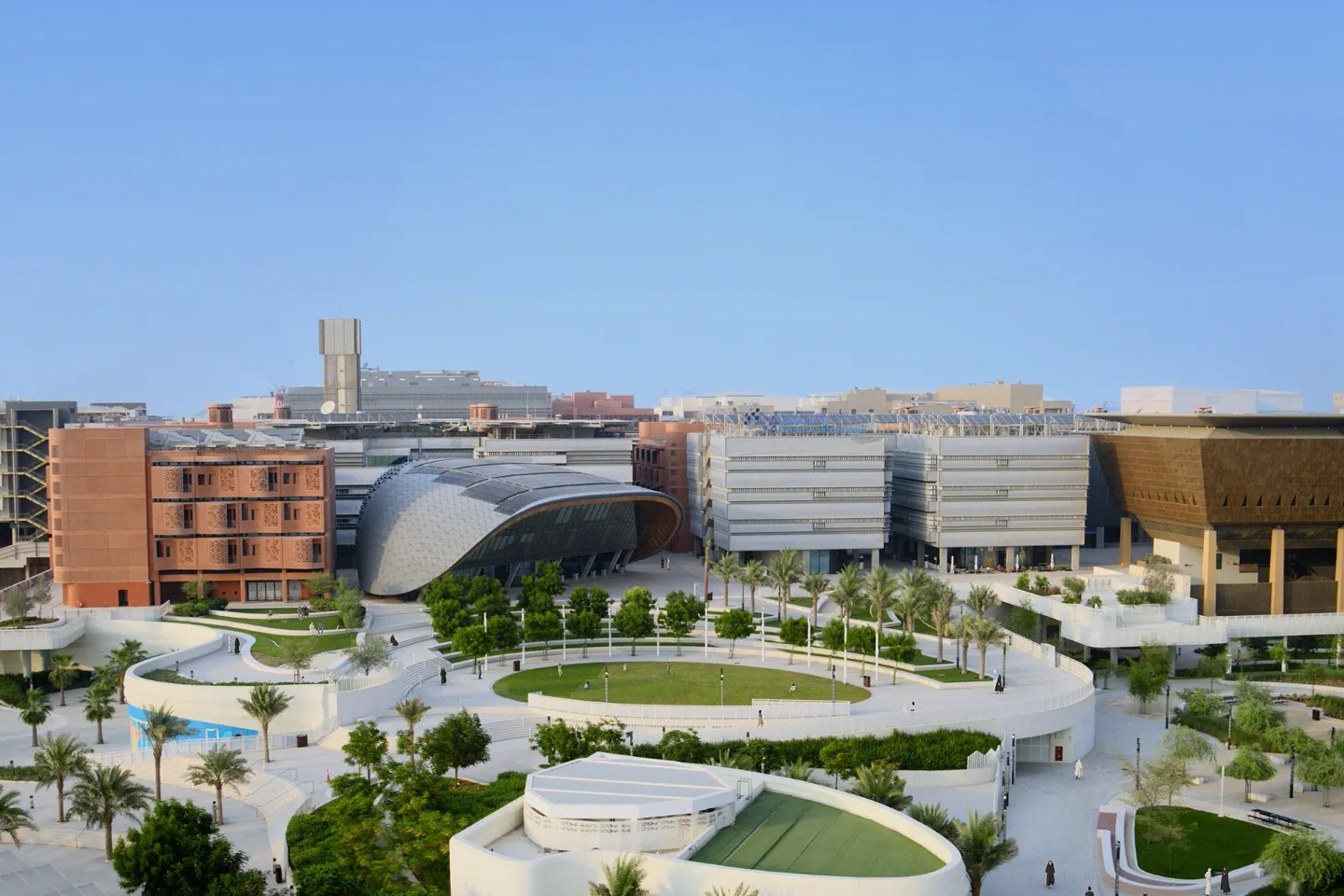
Biosphere Labs opened at Masdar City in June 2026 with M42 and Attentive Science, described as the first commercially scaled shared biotechnology laboratory in the GCC. Hub71 launched Hub71+ Life Sciences in October 2025 with the Department of Health Abu Dhabi, the Emirates Drug Establishment and the HELM cluster as founding partners, and Cleveland Clinic Abu Dhabi among its anchor partners.
In Saudi Arabia, the Saudi Biotechnology Accelerator ran a 62-company cohort through its 2025 Biotechnology Venture Readiness Program. KAUST continues to produce spinouts, including WAYAKIT, which holds a nationwide contract with Saudi Ground Services and agreements in foreign countries.
In Qatar, the Qatar Precision Health Institute consolidates two programmes running since 2012 and 2015 into a single research platform.
The regulator in the accelerator
The detail worth noting about Hub71+ Life Sciences is that the Emirates Drug Establishment is a founding partner. Putting the drug regulator inside a startup programme materially shortens the distance between an early company and a regulatory conversation, and it is a distinctive arrangement.
The first regulatory submission from a programme company will be the milestone that shows it changing outcomes.
The sequencing strategy
Infrastructure of this kind is normally built in response to demand from an existing company base. In the Gulf it has been built ahead of one, as an instrument to create the base. That is a sound strategy and it is how several national biotechnology sectors started. It also means the relevant measure of success is company formation over the next three to five years, more than utilisation today.
A7i's companies dataset tracks the Saudi-founded early-stage companies selected through the accelerator, alongside UAE-founded ones. That is the pipeline these facilities exist to serve, and its growth is the number to watch.
What comes next
Two milestones. Published technology transfer outcomes from Gulf universities, which will make the pathway from research to company measurable. And a shared laboratory of comparable scale beyond Abu Dhabi; Saudi Arabia's accelerator provides programme support, and a commercially scaled bench facility of the Biosphere Labs type would complement it.
Industry corridors, such as the agreement between the Department of Health Abu Dhabi and Biocom California, which represents more than 1,800 life-sciences companies, sit alongside this infrastructure. Their value is measured in the deal flow they generate, which A7i will record as it is reported.